Bone Font Review: A Spooky Typeface for Bold Branding
Last Tuesday, I was sitting at my kitchen table with a stack of unbranded kraft boxes and a roll of plain white labels. As a consultant who helps handmade sellers refine their visual identity, I often see businesses stumble not because their products aren't amazing, but because their packaging whispers when it needs to shout. The client I was working with runs a small batch candle company that leans heavily into gothic aesthetics and dark botanicals. They had a beautiful logo, but the typography on their jar labels felt generic. It lacked the personality that their scent profiles promised. That is exactly when I pulled up Bone Font.
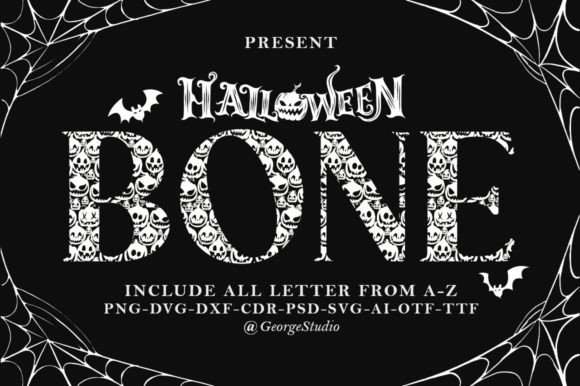
This decorative typeface is not your standard corporate sans serif. It is a spooky monogram font that immediately commands attention. When I typed out the candle names using Bone, the transformation was instant. The letters have a distinct, skeletal structure that feels both eerie and elegant. For a brand trying to carve out a niche in the crowded home fragrance market, this kind of visual character is gold. It tells a story before the customer even reads the ingredients list.
Why Typography Makes or Breaks First Impressions
In the world of small business, you rarely get a second chance to make a first impression. Whether a customer is scrolling through an Instagram feed or picking up a product in a boutique, their brain processes the visual hierarchy in milliseconds. If your text looks like every other shop on the block, you become invisible. This is where a unique display font like Bone becomes a strategic asset rather than just a design choice.
Bone Font brings a specific mood to the table. It is playful yet slightly macabre, making it perfect for brands that want to stand out as edgy, creative, or unconventional. I have seen similar fonts fail because they are too hard to read, but Bone strikes a surprising balance. The characters are stylized enough to be memorable but clear enough to function as a primary header. When we applied it to the candle labels, the product suddenly looked like it belonged on a high-end shelf rather than a clearance rack. It signaled to the buyer that this was a premium, thoughtfully crafted item.
Real-World Applications for Product Packaging
The true test of any creative font is how it performs on physical materials. We tested Bone Font across several touchpoints for the candle brand, and the results were compelling. On the circular jar labels, the font worked beautifully as a title element. Because it is a monogram-style display face, it shines when used for short phrases, product names, or initial logos. It would be overwhelming if used for long paragraphs of safety warnings or ingredient lists, but that is not what it is designed for.
For the body text on those same labels, we paired Bone with a clean, minimal sans serif font. This contrast is crucial. The spookiness of the headline draws the eye, while the simplicity of the supporting text ensures readability. This combination creates a professional look that builds trust. Customers are more likely to trust a brand that looks consistent and polished. If your packaging looks messy or hard to read, people subconsciously assume the product inside might be low quality too.
Beyond candles, I can easily envision this typeface working wonders for other niches. Imagine a bakery specializing in Halloween treats using Bone for their box lids. Or a boutique clothing store using it on their hang tags to give their streetwear line an urban, gritty feel. Even a coffee shop with a dark roast focus could use this font on their menu boards to highlight seasonal specials. The versatility lies in its ability to act as a strong visual anchor.
Elevating Digital Presence and Social Media
While physical packaging is vital, most small businesses live and die by their online presence. We took the new label designs and created a set of Instagram templates. Using Bone Font for the story headers and promotional graphics gave the feed a cohesive identity. In social media graphics, where users scroll quickly, having a distinctive font helps stop the thumb. It acts as a visual signature. Over time, followers start to recognize that specific lettering style as "your brand," which is the ultimate goal of building a brand identity.
However, a word of caution for digital use: always check readability on mobile screens. Decorative fonts can sometimes lose detail when shrunk down. Bone holds up well, but it is best reserved for headlines, call-to-action buttons, or overlay text on images. Do not try to force it into small caption areas. Stick to using it for impact, and let a simpler modern typography style handle the heavy lifting of information delivery.
Pairing Ideas and Design Best Practices
If you decide to integrate Bone Font into your toolkit, thinking about font pairing early will save you headaches later. Since Bone has such a strong personality, it plays best with neutral partners.
- Clean Sans Serif: As mentioned, a geometric sans serif keeps the design modern and lets the decorative font be the star.
- Elegant Serif: For a more vintage or editorial look, pairing Bone with a sharp serif font can create a sophisticated, high-fashion vibe suitable for beauty brands or magazines.
- Simple Handwritten Font: If you need a personal touch for signatures or notes, a legible script can soften the spooky edges of Bone without clashing.
Before you download and start designing, always review the license. As a commercial font, Bone Font typically comes with specific terms regarding usage on merchandise, digital downloads, and client work. Ensure you have the right license if you plan to sell products featuring this typeface. Also, check the file formats included. Most premium fonts come in OTF or TTF, which work seamlessly with design software like Adobe Illustrator, Photoshop, or Canva. Look for features like alternates or ligatures that might give you extra creative flexibility with certain letter combinations.
Ultimately, upgrading your typography is one of the most cost-effective ways to refresh your business. You do not need to rebrand everything overnight. Start small. Update your thank-you cards, redesign your website banner, or create a new set of stickers. Using a distinctive tool like Bone Font allows you to inject personality into your brand instantly. It transforms ordinary text into a design element that customers remember. In a marketplace full of noise, being memorable is the only metric that truly matters.